What I consider as day hike essentialsa
When I’m out in the mountains, people often ask what I carry in my daypack when hiking. The usual response is, “Surely you don’t need all that for one day?”
The truth is, much of what I pack isn’t for regular use – it’s for the “just in case” moments. Being prepared in the hills can make the difference between an enjoyable hike and a dangerous situation. In this blog, I’ll walk you through exactly what I carry on a one-day hiking adventure in the UK, and why each item earns its place in my pack.
1. Waterproofs
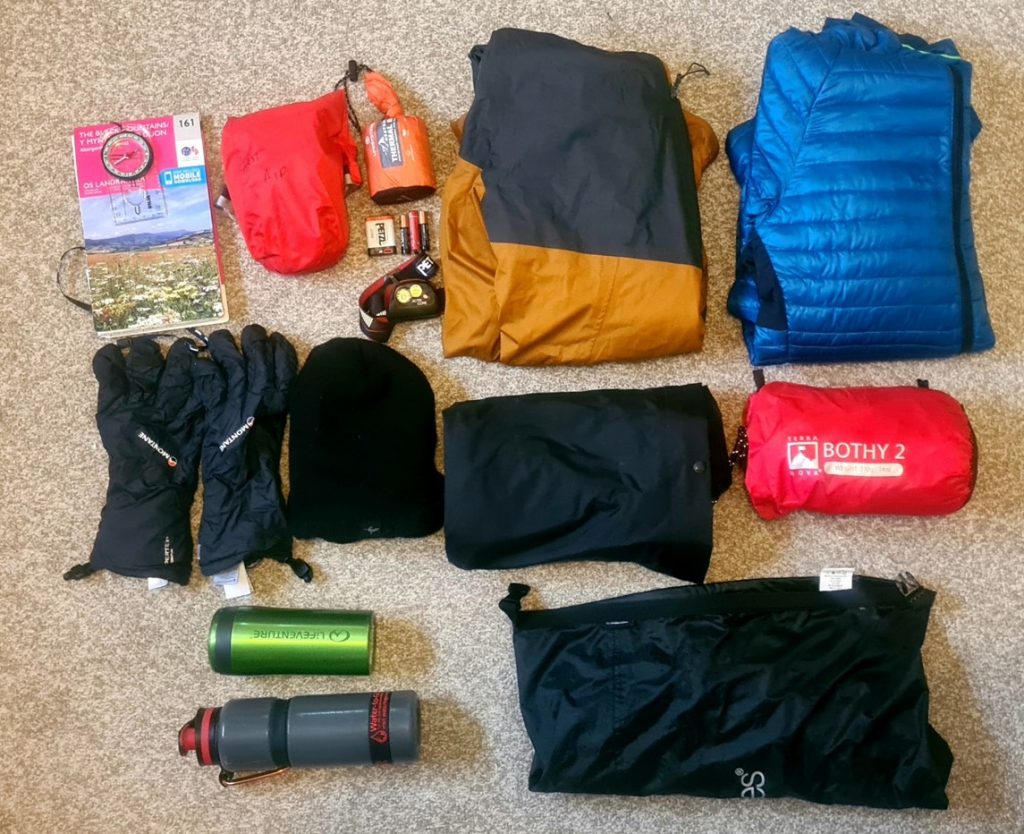
I always carry a waterproof jacket and trousers. In the UK, rain is almost a given, and staying dry is crucial for both comfort and safety. Staying dry helps regulate body temperature and reduces the risk of hypothermia.
Tip: Put them on before you get wet – easier said than done, I know!
2. Food
I pack enough food for the whole day, plus an emergency extra snack. My go-to is a mix of cashew nuts and raisins for grazing, a wrap or sandwich for lunch, and a few cereal bars. I also carry a bag of sweets for an energy boost near the end of the hike or when morale dips.
Tip: Always pack one more snack than you think you’ll need – hikes often take longer than planned.
3. Water & Hot Drinks
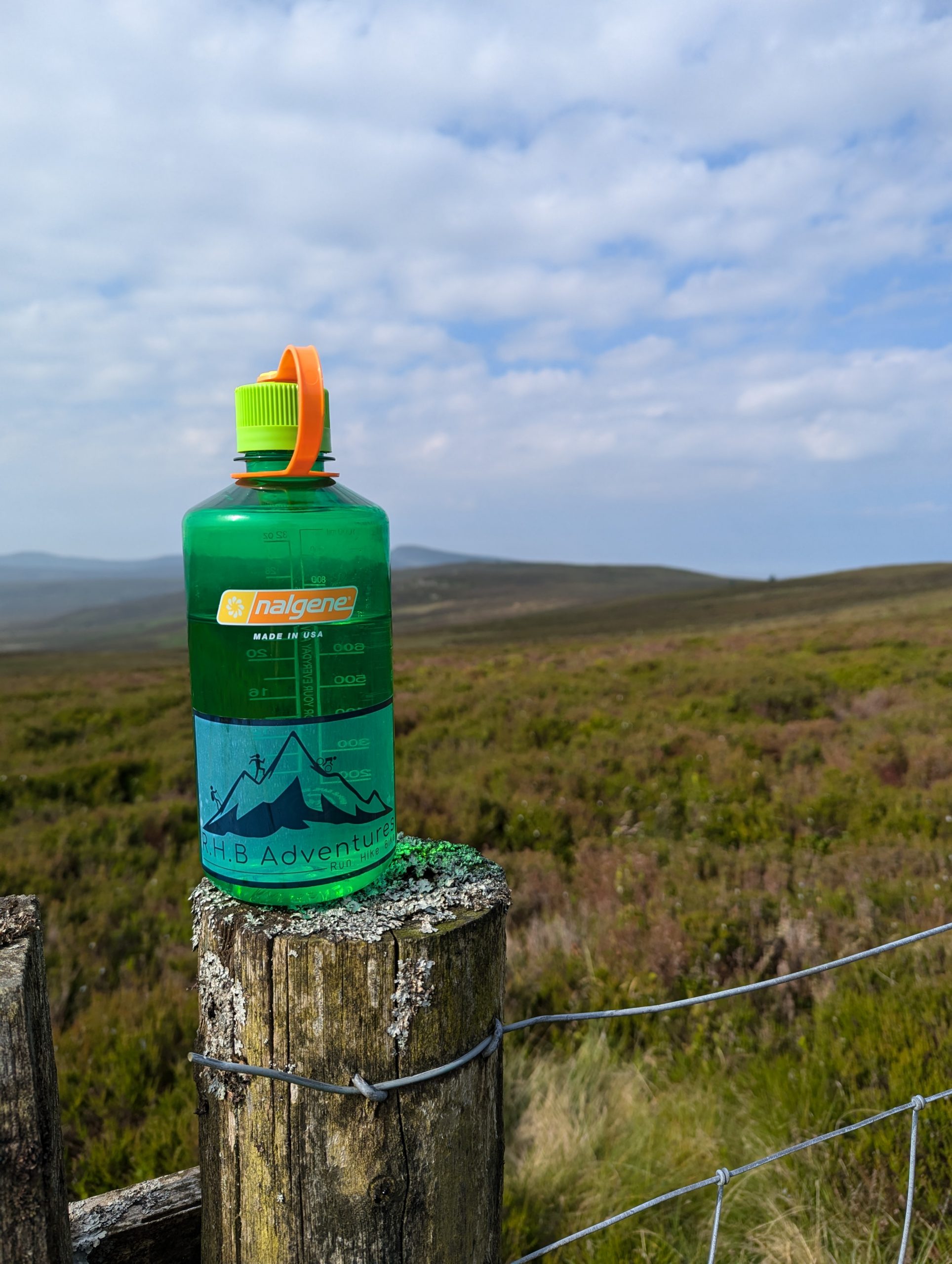
Hydration is essential. I often carry a water bottle with a built-in filter so I can top up from natural water sources. On colder days, I also bring a flask of coffee for a warm boost.
4. Torch / Headlamp
I carry a head torch in a dry bag with spare batteries. Even with perfect planning, unexpected delays can mean finishing in the dark. Navigating without light is risky and exhausting.
5. Mobile Phone
A fully charged phone is a must. It’s not just for photos – it’s a lifeline in emergencies.
6. Map & Compass
I print my route map, laminate it (or use a plastic wallet), and keep it handy in my pocket. I also carry a full OS map (1:50,000 or 1:25,000) in my pack as a backup. GPS is great, but batteries fail – paper doesn’t.
7. Spare Warm Layer
A spare warm layer, stored in a dry bag, lives at the bottom of my rucksack. It’s not for walking in, but for emergencies where I need to be stationary for a while.
Tip: If you need it while moving, you may need to reassess your layering system.
8. Hat & Gloves
I carry these year-round. They usually come out on descents when my body temperature drops. A cap is also handy – it keeps sun and rain out of your face when worn under a hood.
9. First Aid Kit & Survival Blanket
These stay in my pack at all times. A basic first aid kit can handle small injuries before they escalate. A survival blanket adds extra warmth in emergencies.
Tip: In summer, add sunscreen to this kit.
10. Storm Shelter
This comes with me when I’m guiding or walking with others. It’s invaluable in bad weather and makes a great lunch spot on wet days.
11. Dry Bags
Every item above is packed into dry bags to keep it safe from rain. Bin bags can work in a pinch, but they’re less reliable.
Final Thoughts
Much of what I carry I hope never to use. But mountain weather changes quickly, and small incidents can escalate fast. Whether you’re new to hiking or a seasoned mountaineer, being prepared is key to safe and enjoyable adventures.
Having the right essentials is a great first step, but the best way to build confidence in the mountains is by heading out with a qualified leader. I offer bespoke guided days across the UK tailored to your pace and ability. From tackling Yr Wyddfa (Snowdon) to discovering hidden mountain paths, you can find all the details on my guided hiking days here
Leave a Reply